Concrete Flooring and Epoxy Surfaces: Applications, Costs, and Performance
Concrete flooring and epoxy surfaces provide durable solutions for properties that require performance, longevity, and easy maintenance. These systems support heavy use while maintaining a clean appearance. Many property owners choose concrete-based flooring because it adapts to different environments.
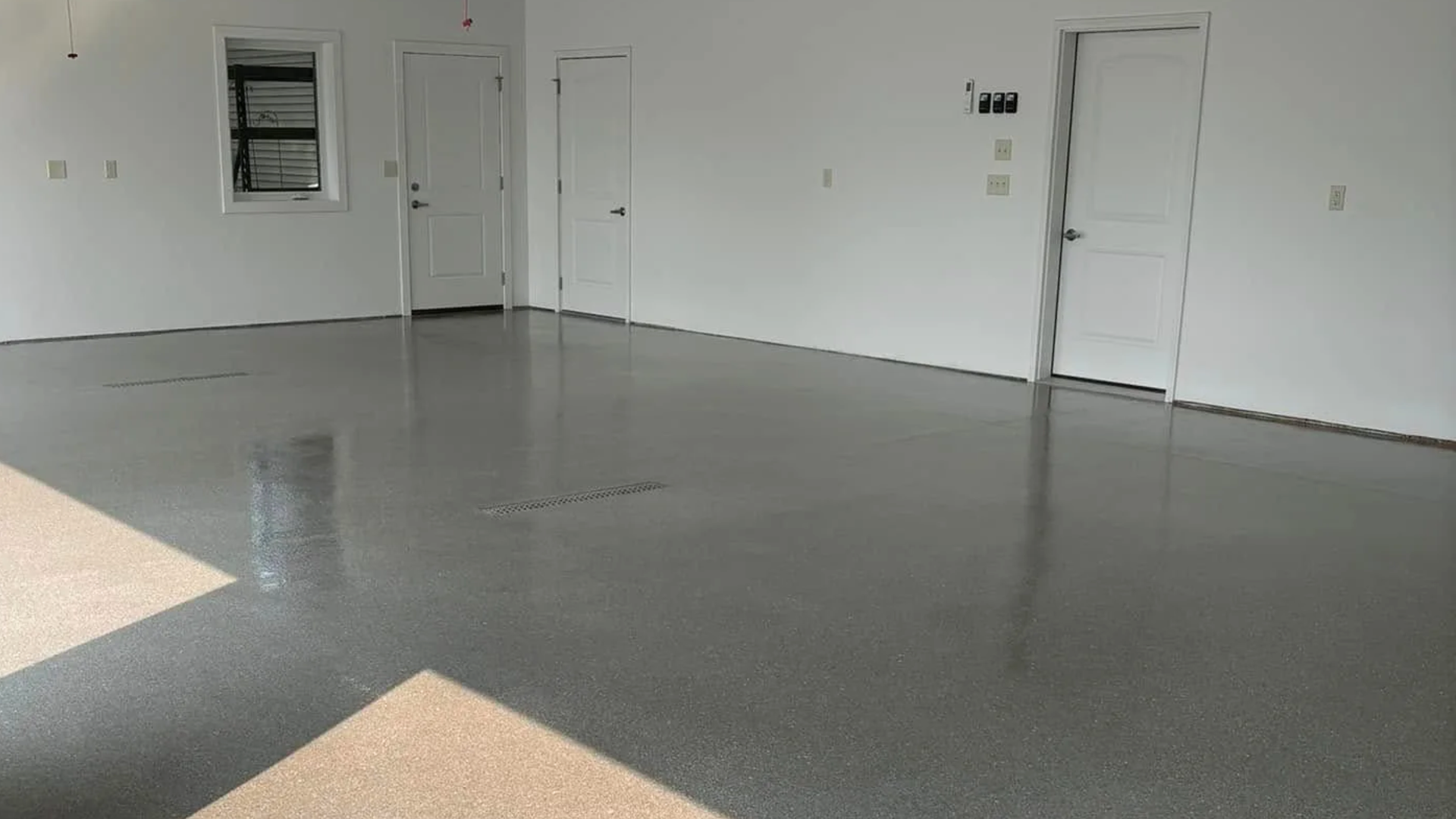
Concrete flooring and epoxy surfaces provide durable solutions for properties that require performance, longevity, and easy maintenance. These systems support heavy use while maintaining a clean appearance. Many property owners choose concrete-based flooring because it adapts to different environments.
In St. Cloud, flooring materials must withstand temperature swings, moisture, and frequent traffic. Concrete flooring and epoxy coatings meet these demands when installed correctly. Their versatility makes them suitable for residential, commercial, industrial, and shared-use spaces.
This guide explains how concrete flooring and epoxy surfaces work, where they perform best, and what costs to expect.
What Is Concrete Flooring
Concrete flooring uses a structural concrete slab as the finished surface. Contractors may grind, polish, stain, or seal the slab depending on performance needs. This approach eliminates the need for additional flooring materials.
Concrete flooring works well in areas requiring strength and consistency. It supports heavy loads, rolling equipment, and foot traffic. With proper treatment, it also provides visual appeal.
Unlike surface coverings, concrete flooring integrates directly into the structure. This reduces failure points and long-term maintenance concerns.
What Are Epoxy Concrete Surfaces
Epoxy flooring involves applying a resin-based coating over a concrete slab. The epoxy bonds to the surface, creating a seamless protective layer. This coating improves durability, chemical resistance, and appearance.
Epoxy systems vary in thickness and composition. Some focus on aesthetics, while others prioritize heavy-duty performance. Selection depends on the environment and usage level.
Epoxy surfaces protect concrete from moisture, abrasion, and staining. This makes them ideal for demanding conditions.
Common Applications for Concrete Flooring in St. Cloud
Concrete flooring serves a wide range of uses.
Commercial and Retail Spaces
Concrete flooring provides a clean, professional look for retail and commercial environments. Polished concrete works well in showrooms, offices, and public-facing areas. It reflects light and reduces long-term maintenance costs.
These spaces benefit from durability and ease of cleaning. Concrete handles daily foot traffic without surface breakdown.
Warehouses and Industrial Areas
Concrete flooring supports forklifts, pallet jacks, and heavy equipment. Proper finishing improves abrasion resistance. These floors remain stable under constant use.
Many facilities choose sealed or hardened concrete surfaces. These finishes reduce dusting and improve safety.
Garages and Service Areas
Concrete flooring performs well in garages and service bays. It resists oil, tire wear, and impact. Additional coatings can enhance protection.
In these environments, concrete offers strength and practicality.
Common Applications for Epoxy Flooring
Epoxy flooring excels in spaces that demand chemical resistance and seamless surfaces.
Garages and Utility Areas
Epoxy coatings protect concrete from oil, salt, and moisture. They also improve appearance. Smooth surfaces make cleaning easier.
These systems work well for both private and shared garages.
Commercial Kitchens and Food Areas
Epoxy provides a seamless, non-porous surface. This helps maintain hygiene standards. Slip-resistant additives improve safety.
Proper installation ensures long-term performance in wet environments.
Medical, Storage, and Utility Spaces
Epoxy surfaces resist chemicals and stains. This makes them suitable for storage rooms, labs, and maintenance areas. Seamless surfaces reduce contamination risks.
Types of Concrete Flooring Finishes
Concrete flooring can be finished in several ways.
Polished Concrete
Polished concrete undergoes grinding and polishing to create a smooth surface. This finish enhances appearance and durability. It reflects light and improves brightness.
Polished concrete requires minimal maintenance. Periodic cleaning keeps the surface looking consistent.
Sealed Concrete
Sealed concrete includes a protective layer that reduces moisture penetration. Sealers enhance color and surface protection. This option balances cost and performance.
Sealed floors work well in moderate-use environments.
Stained Concrete
Stains add color and visual depth to concrete floors. Acid-based and water-based stains create different effects. Stained concrete works well in decorative spaces.
This finish often pairs with sealing for protection.
Types of Epoxy Flooring Systems
Epoxy systems vary based on performance needs.
Solid Epoxy Coatings
Solid epoxy coatings create thick, durable surfaces. They resist chemicals and impact. These systems suit industrial and commercial spaces.
Proper surface preparation ensures adhesion.
Flake Epoxy Systems
Flake systems include decorative chips broadcast into the epoxy. They improve traction and appearance. These systems hide minor imperfections.
Flake epoxy works well in garages and shared spaces.
Quartz Epoxy Flooring
Quartz systems incorporate colored quartz aggregates. They provide slip resistance and durability. These floors perform well in wet environments.
Benefits of Concrete Flooring
Concrete flooring offers several advantages.
Long-Term Durability
Concrete withstands heavy loads and constant traffic. Proper finishing extends lifespan. This durability reduces replacement frequency.
Low Maintenance
Concrete floors require minimal upkeep. Regular cleaning maintains appearance. There is no need for frequent repairs.
Cost Efficiency Over Time
Although installation costs can be higher, long-term maintenance stays low. Concrete delivers value through longevity.
Benefits of Epoxy Flooring
Epoxy coatings enhance concrete performance.
Surface Protection
Epoxy protects concrete from moisture, chemicals, and abrasion. This extends slab life.
Improved Safety
Slip-resistant additives improve traction. Seamless surfaces reduce trip hazards.
Visual Consistency
Epoxy provides uniform color and finish. This supports professional environments.
Concrete Flooring and Epoxy Costs in St. Cloud
Pricing varies based on preparation, system type, and thickness. The ranges below reflect professionally installed, higher-end projects.
| Flooring Type | Average Cost per Sq. Ft. | Expected Lifespan | Maintenance Level |
|---|---|---|---|
| Polished Concrete Flooring | $18 – $40 | 30+ years | Low |
| Sealed or Stained Concrete | $15 – $30 | 20–30 years | Low |
| Epoxy Floor Coatings | $35 – $75 | 15–25 years | Low |
| Quartz or Flake Epoxy Systems | $45 – $90 | 15–25 years | Low |
Take note, costs increase when surfaces require extensive preparation, repairs, or moisture mitigation.
What Affects Flooring Costs
Several factors influence pricing.
Surface Preparation
Cracks, moisture issues, or uneven slabs require correction. Preparation ensures proper adhesion and performance.
System Thickness and Materials
Thicker systems provide greater durability. Specialty coatings increase cost.
Environmental Conditions
Temperature and humidity affect installation timing. Proper scheduling protects quality.
Installation Process for Concrete Flooring
Professional installation follows a structured approach.
Surface Evaluation
Contractors assess slab condition and moisture levels. This determines suitable systems.
Grinding and Preparation
Grinding removes contaminants and opens pores. This ensures proper bonding.
Application and Curing
Finishes or coatings are applied carefully. Curing time ensures durability.
Maintenance Expectations
Concrete flooring requires simple care. Regular cleaning maintains appearance. Periodic resealing or polishing restores protection.
Epoxy floors need basic cleaning. Avoid harsh abrasives to preserve coatings.
Additionally, routine inspections identify early wear.
How Flooring Integrates With Other Concrete Surfaces
Concrete flooring often connects with patios, walkways, and drive areas. Coordinated design improves flow and consistency.
For outdoor surface continuity, review Concrete Patio Installation in St. Cloud: Design Options, Costs, and Uses.
For decorative exterior finishes, see Stamped Concrete Designs for Properties in St. Cloud.
When Concrete Flooring or Epoxy Is the Right Choice
Concrete flooring suits properties that prioritize durability and low maintenance. Epoxy systems work best in demanding environments. Choosing the right system depends on use and conditions.
Professional guidance helps match materials to performance needs.
Frequently Asked Questions
Can epoxy be installed over existing concrete?
- Yes, if the slab is structurally sound.
Does epoxy crack?
- Epoxy reflects slab movement but resists surface damage.
How long before use?
- Light use after 24–48 hours. Full cure may take several days.
Is concrete flooring slippery?
- Texturing and additives improve traction.
Why Choose Viper Concrete & Epoxy
We bring experience, technical knowledge, and consistency to every project. Our team understands concrete systems and local conditions. Each floor reflects careful execution. Learn more about our approach in Meet Viper Concrete & Epoxy: Your Local Concrete Experts in St. Cloud, MN.
Your Next Step
Planning a concrete flooring or epoxy project in St. Cloud? Contact Viper Concrete & Epoxy to discuss system options, preparation needs, and costs.
We’ll evaluate your space and recommend a solution that performs long term.