Concrete Patio Installation in St. Cloud: Design Options, Costs, and Uses
Concrete patios create functional outdoor spaces that perform well over time. Property owners want surfaces that support regular foot traffic, furniture, and weather exposure without frequent repairs. Concrete delivers that reliability across many environments.
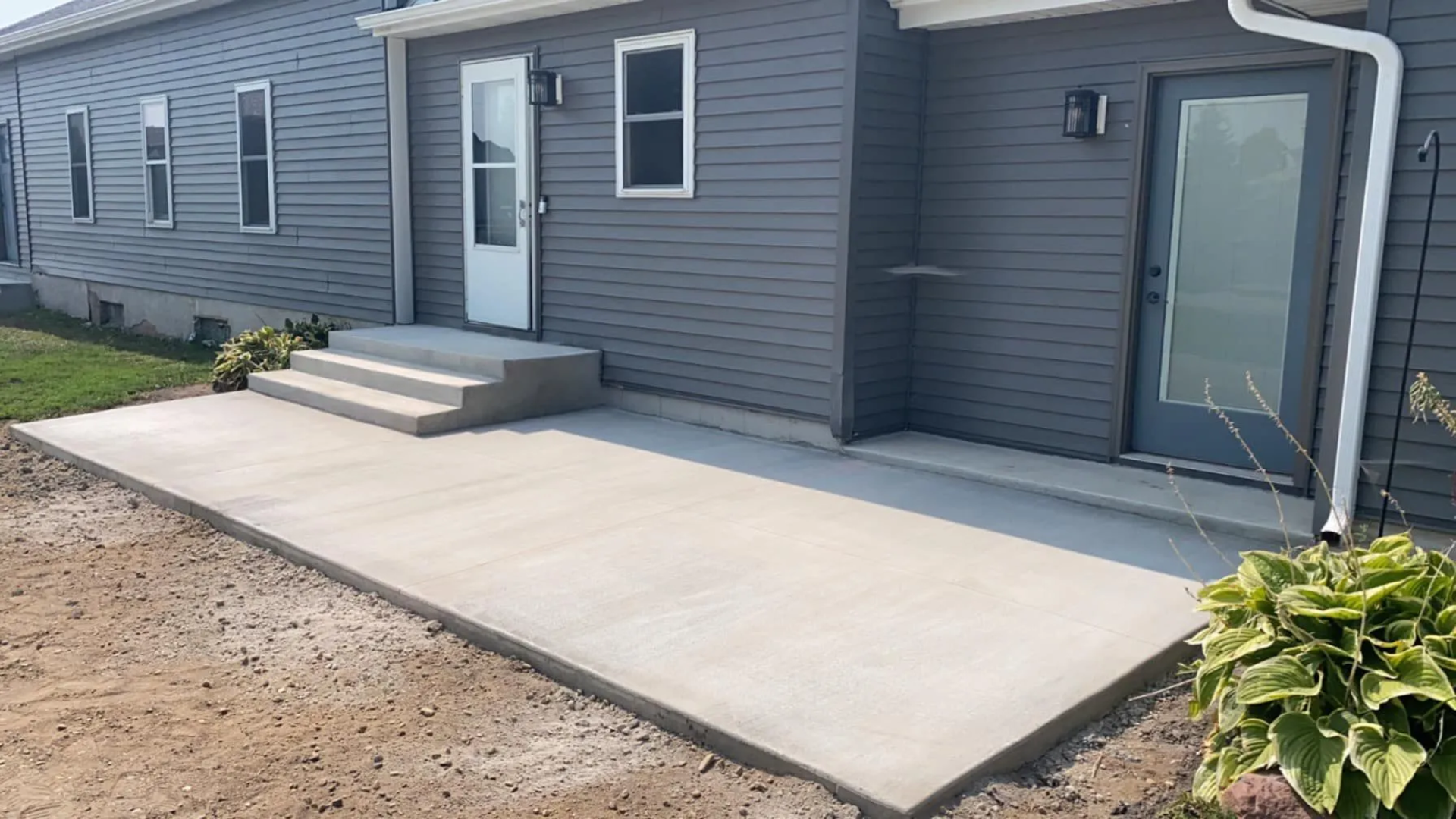
Concrete patios work well for residential, commercial, and shared-use properties. They serve as seating areas, gathering zones, transition spaces, and access points. When installed correctly, a concrete patio provides long-term performance with a consistent appearance.
Local conditions in St. Cloud demand materials that handle freeze-thaw cycles. Concrete patios meet those demands with proper preparation and installation. That makes them a practical choice for properties that prioritize durability.
What Is a Concrete Patio
A concrete patio is a poured slab designed for outdoor use. It creates usable space for seating, walking, and activity. The surface can remain simple or include decorative finishes based on design goals.
Concrete patios allow flexible layouts. They adapt to curves, edges, steps, and surrounding structures. This adaptability makes them suitable for a wide range of site conditions.
Unlike modular systems, concrete patios form a continuous surface. Fewer joints reduce movement and long-term maintenance issues. That structural advantage matters for properties with frequent use.
Common Uses for Concrete Patios in St. Cloud
Concrete patios support many functions beyond casual outdoor seating.
Outdoor Seating and Gathering Areas
Concrete patios create stable seating zones for employees, customers, tenants, or guests. They support tables, chairs, planters, and steady foot traffic. These areas remain usable through seasonal changes.
Defined patio spaces also help organize outdoor activity. Clear surfaces guide movement and improve safety for shared-use environments.
Entry and Transition Areas
Many properties use concrete patios near building entrances. These areas act as transition zones between indoor and outdoor spaces. They help reduce tracked debris and moisture.
Concrete performs well in high-traffic entry areas. Proper slope and drainage prevent standing water and surface wear. This improves safety and longevity.
Courtyards and Shared-Use Spaces
Concrete patios work well in courtyards and common areas. They handle frequent use while maintaining appearance. Maintenance remains straightforward for property managers.
Large continuous slabs reduce joint lines. That limits weed growth and surface separation over time. These benefits simplify long-term upkeep.
Concrete Patio Design Options
Concrete patios offer more design flexibility than many expect.
Broom-Finished Concrete Patios
Broom finishes create a lightly textured surface that improves traction. This finish works well in wet or shaded areas. It remains one of the most practical options.
Many properties choose broom finishes for performance-focused areas. Even at higher pricing levels, this option delivers durability and value.
Stamped Concrete Patio Designs
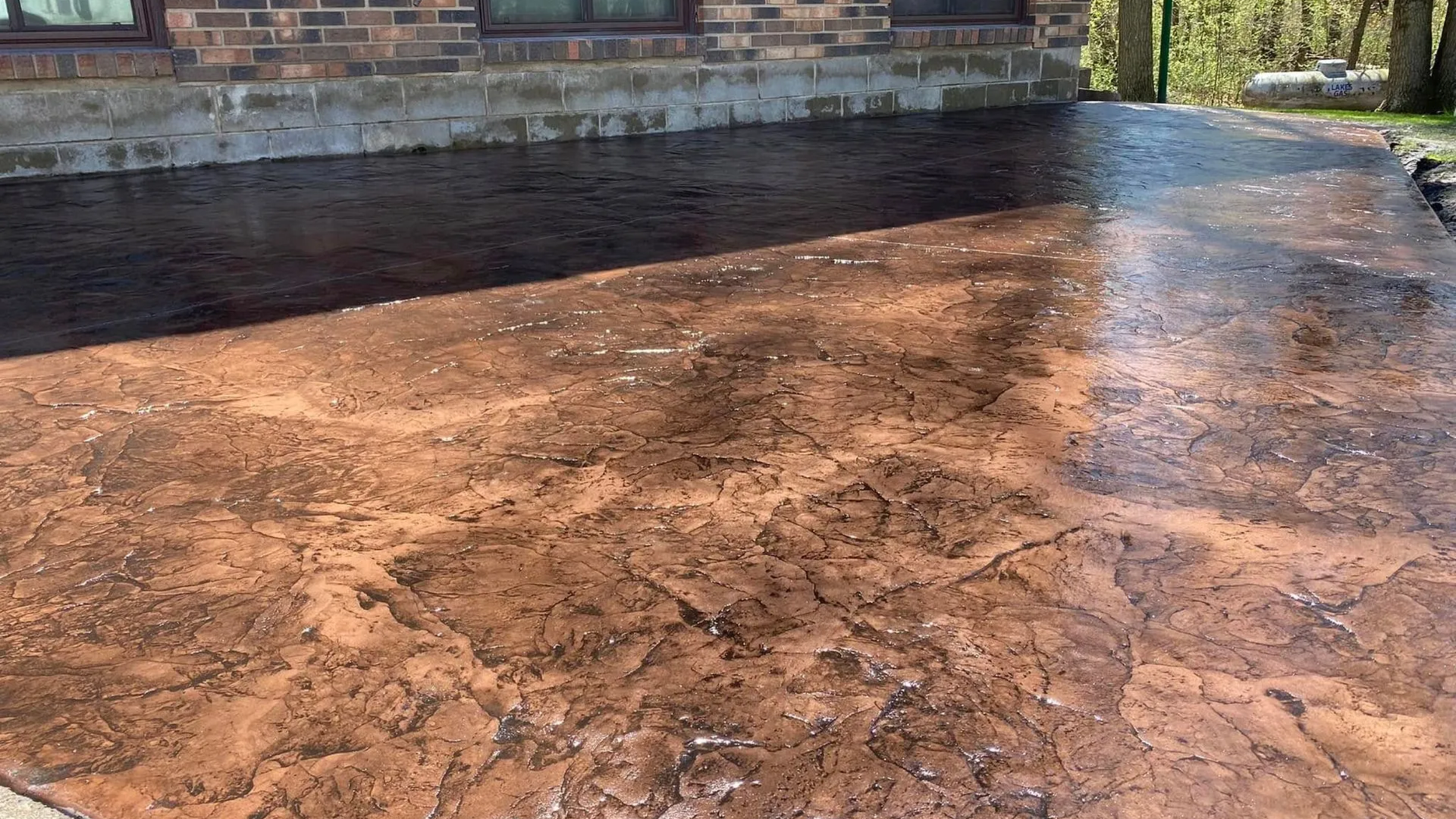
Stamped concrete adds texture and pattern to patio surfaces. It can resemble stone, brick, slate, or tile. This allows decorative appeal without separate materials.
Stamped patios work well in visible or customer-facing areas. They elevate appearance while maintaining strength. For more detail, see Stamped Concrete Designs for Properties in St. Cloud.
Colored Concrete Patios
Color can be added during placement or applied later as a stain. This helps coordinate the patio with surrounding architecture. Neutral tones remain popular for broad-use properties.
Color also helps define zones within larger patios. Subtle contrast improves function without visual clutter.
Benefits of Concrete Patio Installation
Concrete patios offer practical advantages beyond appearance.
Durability and Load Capacity
Concrete supports furniture, foot traffic, and light equipment. Thicker slabs and reinforcement improve strength. This durability matters for shared and commercial-use spaces.
With proper installation, concrete patios often last 30 years or more. That lifespan reduces replacement frequency and long-term disruption.
Low Maintenance Requirements
Concrete patios require minimal upkeep. Regular cleaning and periodic sealing protect the surface. There is no joint sanding or resetting.
Although upfront costs are higher, maintenance expenses stay low. This improves long-term value.
Design and Layout Flexibility
Concrete adapts to various shapes and layouts. Curves, steps, and integrated features are possible. This flexibility supports functional and aesthetic goals.
Concrete patios also integrate well with other concrete surfaces. Coordinated design improves overall site consistency.
Concrete Patio Costs in St. Cloud
Concrete patio pricing varies based on size, finish, and site conditions. Decorative finishes, thicker slabs, reinforcement, and professional installation significantly affect total cost. The ranges below reflect higher-end, professionally installed projects across St. Cloud properties.
| Patio Type | Average Cost per Sq. Ft. | Expected Lifespan | Maintenance Level |
|---|---|---|---|
| Basic Concrete Patio | $20 – $45 | 30+ years | Low |
| Stamped Concrete Patio | $45 – $85 | 25+ years | Low to Medium |
| Colored Concrete Patio | $30 – $55 | 25–30 years | Low |
Take note, pricing increases when projects require additional site preparation, thicker slabs, reinforcement, or decorative detailing. While the upfront investment is higher, professionally installed concrete patios deliver long-term durability and predictable performance.
What Affects the Cost of Concrete Patio Installation
Several variables influence final pricing.
Patio Size and Shape
Larger patios require more concrete, labor, and finishing time. Curves, steps, and elevation changes add complexity. Clear planning helps manage costs effectively.
Finish Selection
Stamped and colored finishes require additional labor and materials. Multi-pattern or multi-color designs increase installation time. Finish choice has a direct impact on overall price.
Site Preparation Needs
Uneven terrain, drainage corrections, or soil stabilization increase preparation work. Proper base preparation protects the slab’s performance. Skipping this step often leads to costly repairs later.
Concrete Patio Installation Process
A structured installation process ensures long-term performance.
Site Evaluation and Preparation
Crews evaluate soil conditions and drainage patterns. Excavation removes unstable material. A compacted base supports the slab evenly.
Proper grading ensures water flows away from structures. This prevents pooling and freeze-related damage.
Forming and Reinforcement
Forms define the patio’s shape and edges. Steel reinforcement improves strength and crack resistance. This step supports load-bearing performance.
Correct reinforcement placement distributes stress evenly. This improves durability over time.
Concrete Placement and Finishing
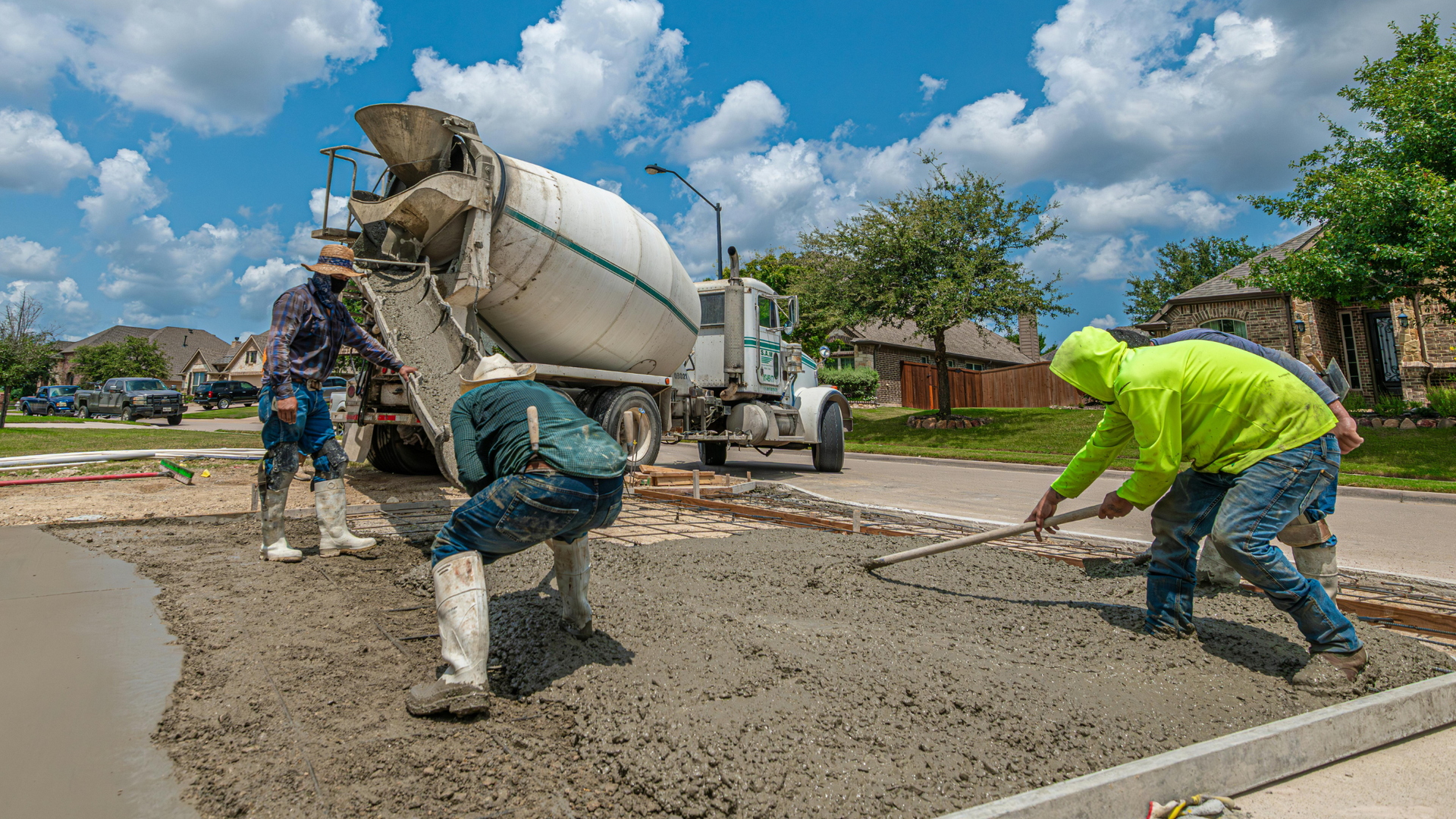
Concrete is poured and finished based on the selected design. Decorative finishes require precise timing. Crews monitor texture, consistency, and surface quality.
Edges, joints, and transitions receive careful attention. Clean finishing improves appearance and performance.
Curing and Sealing
The surface cures before sealing begins. Proper curing allows concrete to reach full strength. Sealers protect against moisture and surface wear.
Sealing also enhances color and texture. This step extends the patio’s lifespan.
Maintaining a Concrete Patio
Concrete patios remain easy to maintain with basic care.
Clean the surface with mild soap and water. Avoid harsh chemicals that degrade sealers. Reseal every few years for protection.
Additionally, use plastic tools for snow removal. Metal tools can damage surface finishes. Simple maintenance preserves appearance and performance.
Common Mistakes to Avoid
- Improper installation shortens a patio’s lifespan.
- Skipping base preparation leads to cracking
- Poor drainage causes surface deterioration
- Rushing curing weakens the slab
- Overuse of de-icing chemicals damages finishes
Furthermore, experienced contractors prevent these issues through planning and execution. Professional oversight protects long-term value.
How Concrete Patios Compare to Other Outdoor Surfaces
Concrete competes well with pavers and natural stone.
Pavers require joint maintenance and may shift over time. Natural stone costs significantly more and requires specialized installation. Concrete offers a balance of durability, appearance, and cost control.
Moreover, concrete patios provide visual consistency across large areas. This matters for properties with multiple outdoor zones.
Why Professional Installation Matters
Concrete patio installation requires technical skill. Temperature, timing, and finishing affect results. Professional crews manage these variables consistently.
As specialists in Concrete Driveway Installation in St. Cloud, we apply the same standards to patios and outdoor surfaces. This consistency supports quality across projects.
Our experience with local conditions informs material choices and scheduling. That local knowledge improves outcomes.
How Concrete Patios Improve Property Function
Concrete patios increase usable outdoor space. They support movement, seating, and organized activity. This improves how properties function daily.
What’s more, patios improve flow and organization. Defined surfaces guide use without barriers. This enhances safety and usability.
When a Concrete Patio Is the Right Choice
Concrete patios suit properties that need durable outdoor surfaces. They work well for seating areas, courtyards, and transition zones. Performance and flexibility remain balanced.
If appearance and longevity matter, concrete patios offer a reliable solution.
Frequently Asked Questions
Can concrete patios support commercial use?
- Yes. Proper thickness and reinforcement support frequent foot traffic.
Do concrete patios crack?
- Minor cracks may occur, but reinforcement limits structural issues.
How long before use?
- Wait seven days before regular use.
Are concrete patios slippery?
- Textured finishes improve traction.
Why Choose Viper Concrete & Epoxy
We bring planning, experience, and precision to every project. Our team understands structure, design, and local conditions. Each patio reflects careful workmanship.
We deliver consistent results across property types in St. Cloud. Our approach prioritizes performance, clarity, and long-term value.
For broader context, see Meet Viper Concrete & Epoxy: Your Local Concrete Experts in St. Cloud, MN.
Your Next Step
Planning a concrete patio project in St. Cloud? Contact
Viper Concrete & Epoxy to discuss layout, finishes, and site requirements. We’ll evaluate your property and explain your options clearly. Let’s create a concrete patio that improves function and long-term value.