Stamped Concrete Designs for Properties in St. Cloud
Stamped concrete offers a balance of strength and visual appeal. Property owners want surfaces that hold up to traffic while maintaining a clean, intentional look. That need applies to residential, commercial, and shared-use spaces.
Stamped concrete meets those needs without relying on separate materials. It delivers the durability of concrete with the appearance of stone, brick, or tile. With proper installation, it performs reliably in Minnesota conditions.
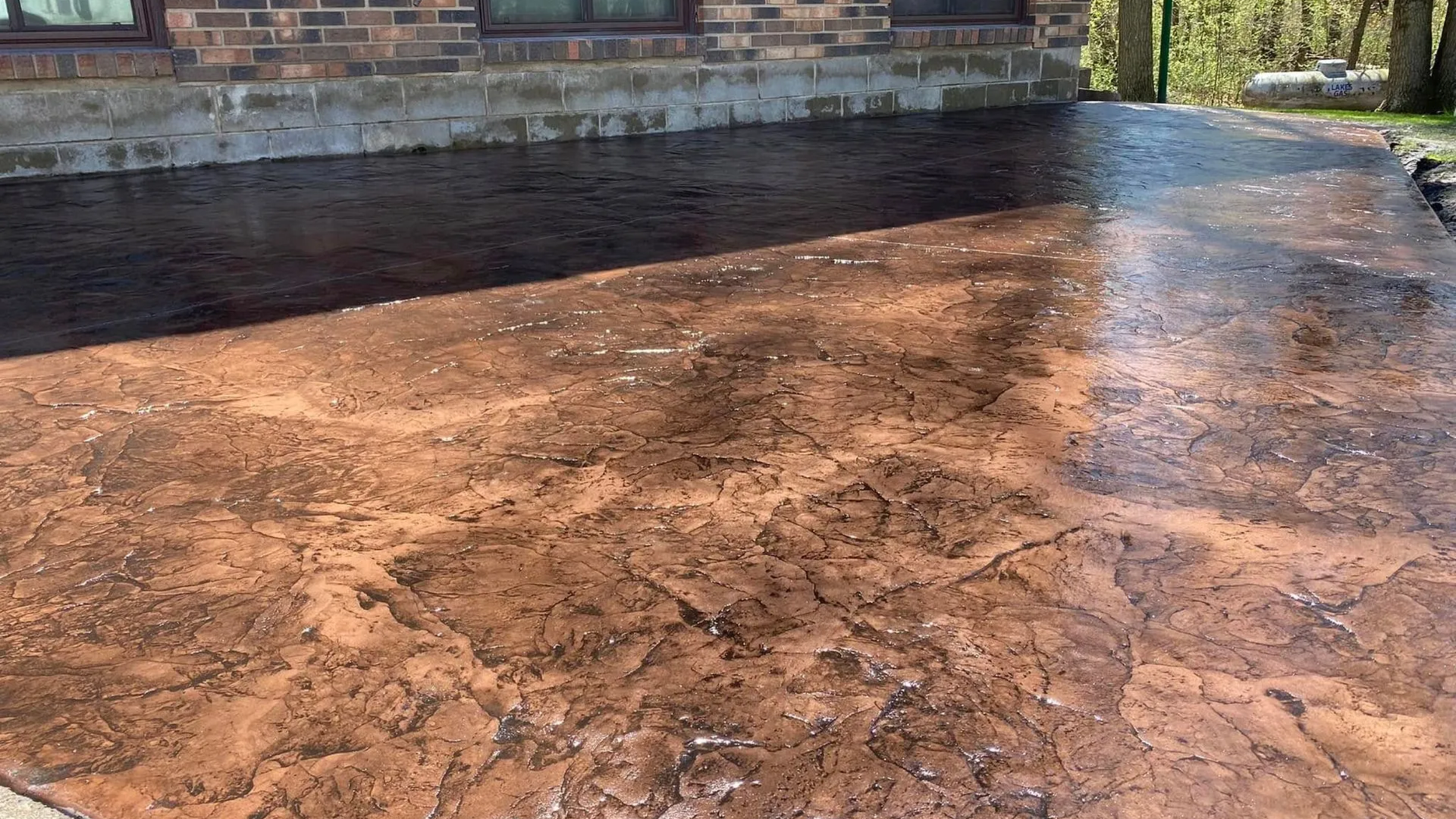
What Is Stamped Concrete
Stamped concrete involves pressing patterned mats into freshly placed concrete. These patterns create texture and visual depth. Color is often added to enhance realism and contrast.
This process allows one surface to serve both structural and aesthetic purposes. Fewer joints reduce movement and long-term maintenance concerns. That makes stamped concrete suitable for many applications.
Common Uses for Stamped Concrete in St. Cloud
Stamped concrete works well in a wide range of settings. Below are common areas where property owners use stamped concrete successfully.
Entry Areas and Access Zones
Stamped concrete creates defined entry points for buildings and properties. It helps guide foot and vehicle traffic visually. This works well for offices, retail spaces, and multi-unit properties.
The textured surface also improves traction. That matters during wet or icy conditions.
Walkways and Connecting Paths
Stamped concrete walkways provide consistency across a property. They connect entrances, parking areas, and outdoor spaces. Design continuity improves overall site appearance.
Patterns and color help separate pedestrian zones from vehicle areas. This improves safety and organization.
Patios and Outdoor Gathering Areas
Stamped concrete performs well in outdoor environments. It resists moisture, temperature changes, and regular use. Many property owners choose it for shared courtyards or seating areas.
The ability to match surrounding architecture makes stamped concrete especially effective here.
Courtyards and Shared-Use Spaces
Courtyards benefit from decorative yet durable surfaces. Stamped concrete handles frequent foot traffic while maintaining appearance. It also simplifies maintenance for property managers.
Large stamped sections reduce joint lines. That limits weed growth and surface movement.
Popular Stamped Concrete Design Styles
Different properties require different visual approaches. These styles remain popular across St. Cloud.
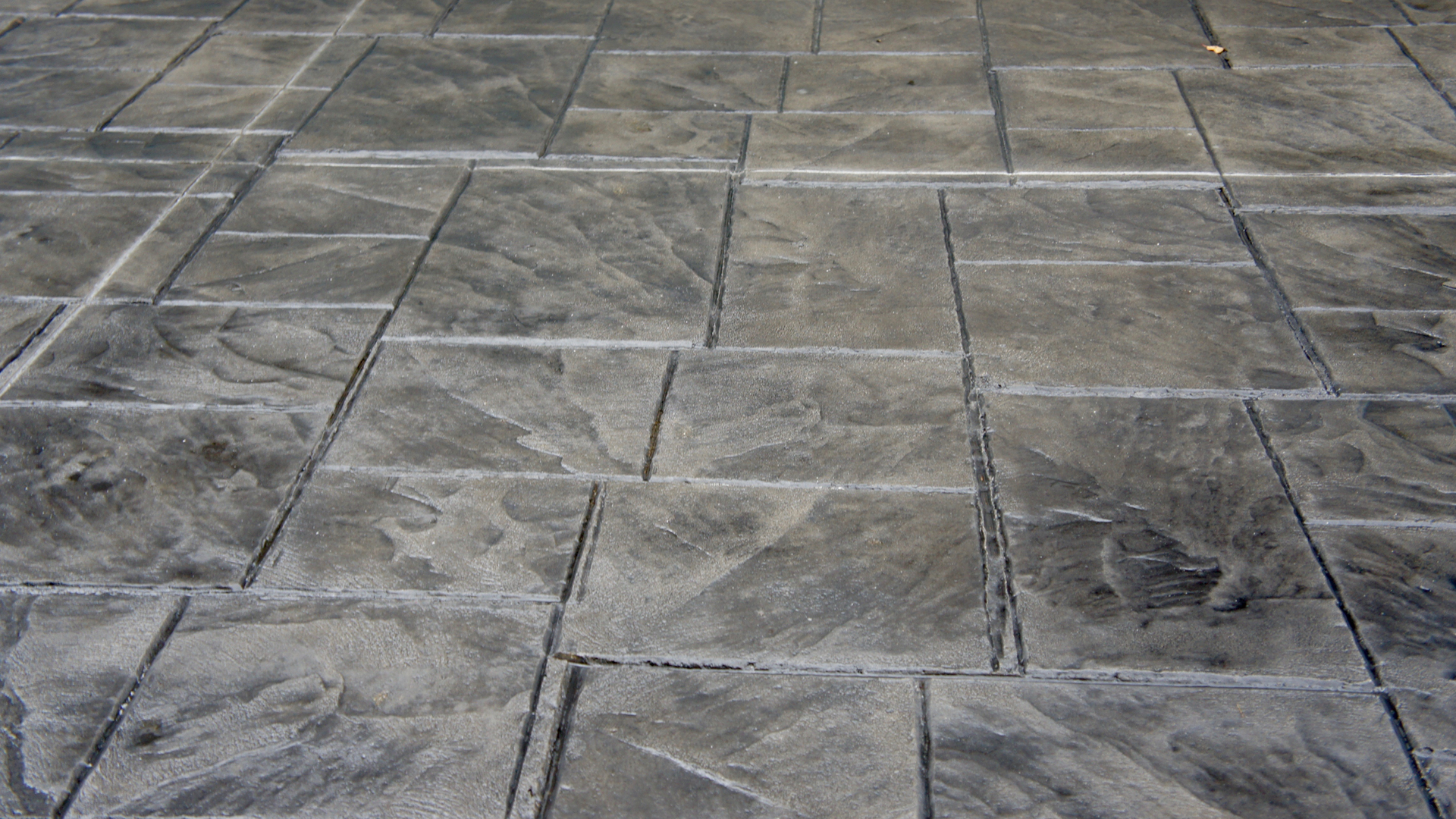
Stone and Slate Patterns
Stone and slate patterns create a refined, professional appearance. They work well for commercial properties and upscale residential areas. These designs add texture without visual clutter.
Neutral color palettes remain the most common. Gray, charcoal, and tan tones blend well with most exteriors.
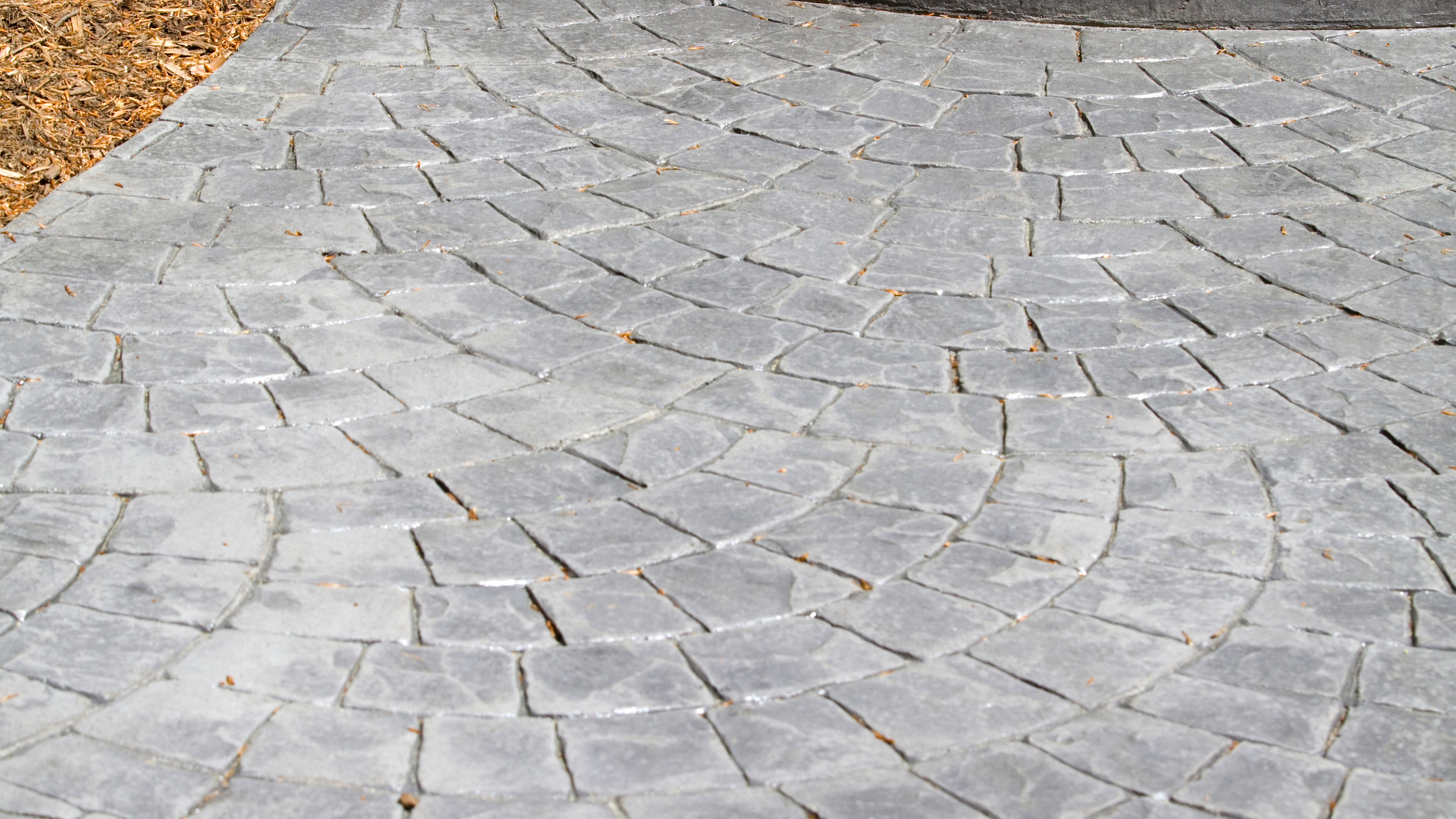
Brick and Tile Patterns
Brick-style stamps create structured, organized surfaces. They work well for walkways and plazas. Tile patterns suit modern and mixed-use developments.
These patterns help define space while maintaining consistency.
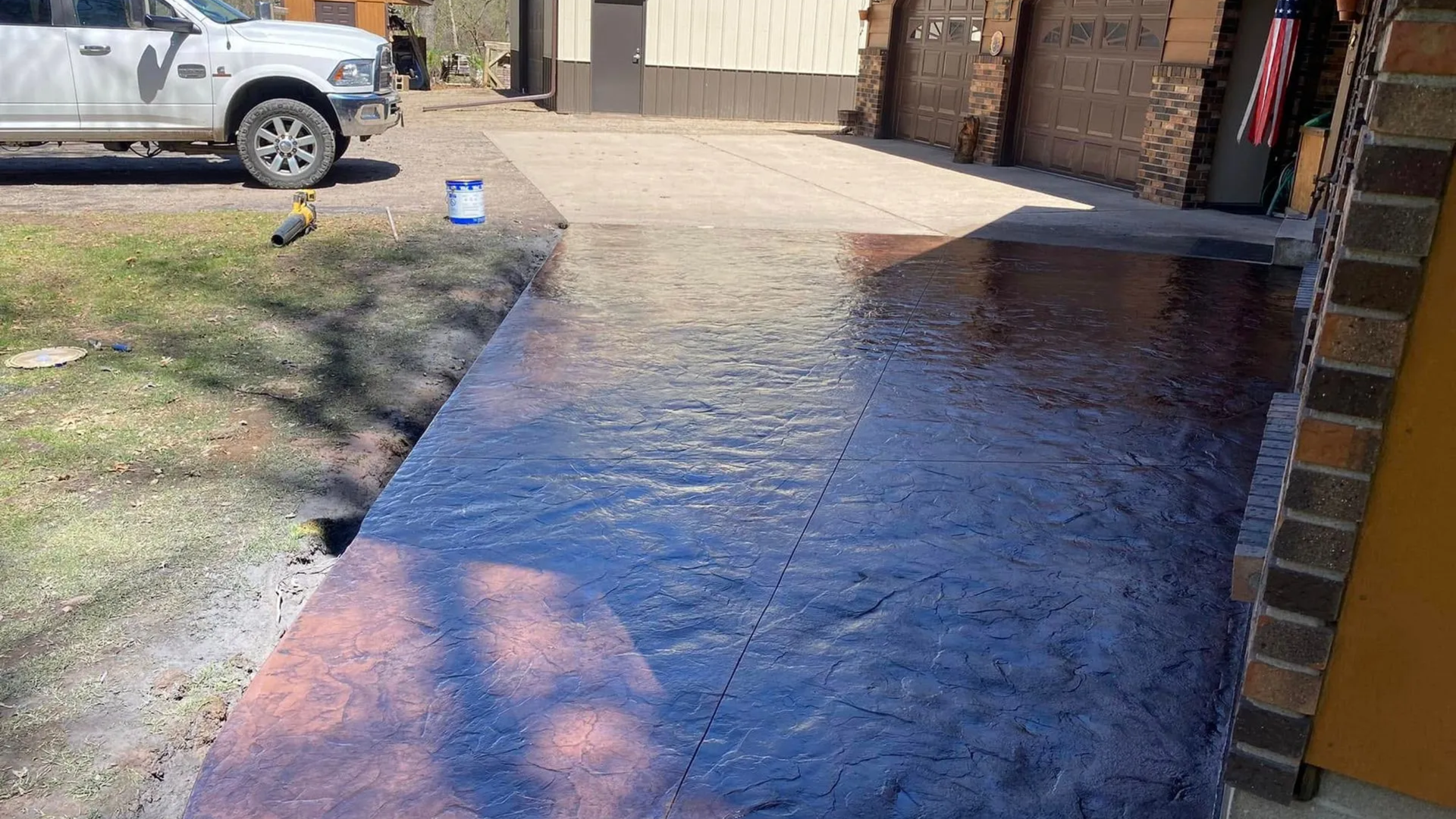
Modern and Minimal Layouts
Large-format stamps and subtle textures suit contemporary properties. Clean borders and restrained color palettes keep the design intentional. These layouts emphasize function without distraction.
Custom layouts allow zoning for different uses within the same space.
Benefits of Stamped Concrete
Stamped concrete offers practical advantages beyond appearance.
Durability and Load Capacity
Stamped concrete uses the same structural base as standard concrete. It supports foot traffic and light vehicle use. Proper thickness and reinforcement ensure long-term stability.
With proper care, stamped surfaces last 25 years or more.
Design Flexibility
Stamped concrete allows control over pattern, color, and layout. This flexibility helps properties maintain a cohesive look. Coordinated surfaces improve overall site design.
Property owners often value this flexibility during renovations or upgrades.
Simplified Maintenance
Stamped concrete requires less upkeep than pavers. Fewer joints reduce weed growth and shifting. Maintenance typically involves cleaning and resealing.
Additionally, repairs remain simpler than modular systems.
Stamped Concrete Compared to Other Decorative Surfaces
Stamped concrete competes well with pavers and natural stone.
Pavers require joint maintenance and may shift over time. Natural stone costs significantly more and requires skilled installation. Stamped concrete offers a middle ground.
Moreover, stamped concrete provides design consistency across large areas. That makes it easier to manage visually and structurally.
Cost Considerations for Stamped Concrete in St. Cloud
Stamped concrete costs more than basic concrete due to added labor and materials. Design complexity and color selection affect pricing.
Below is a general cost comparison for decorative surfaces.
| Surface Type | Average Cost per Sq. Ft. | Expected Lifespan | Maintenance Level |
|---|---|---|---|
| Basic Concrete | $12 – $20 | 30+ years | Low |
| Stamped Concrete | $24 – $36 | 25+ years | Low to Medium |
| Exposed Aggregate | $20 – $32 | 25+ years | Low |
| Pavers | $30 – $45 | 20–30 years | Medium |
Take note, stamped concrete often provides the best balance of appearance and long-term value.
What Affects the Cost of Stamped Concrete
Several factors influence final pricing.
Surface Size and Layout
Larger areas increase material and labor needs. Irregular layouts require more planning. Borders and accents add complexity.
Pattern and Color Selection
Simple patterns cost less. Multi-pattern or multi-color designs raise labor time. Color depth also affects sealing requirements.
Site Preparation Needs
Uneven terrain or drainage adjustments add preparation time. Proper prep protects surface performance.
Stamped Concrete Installation Process
Stamped concrete requires precise timing and coordination.
Surface Preparation
Crews excavate and install a compacted base. Proper grading ensures water flows correctly. This step prevents long-term issues.
Concrete Placement and Stamping
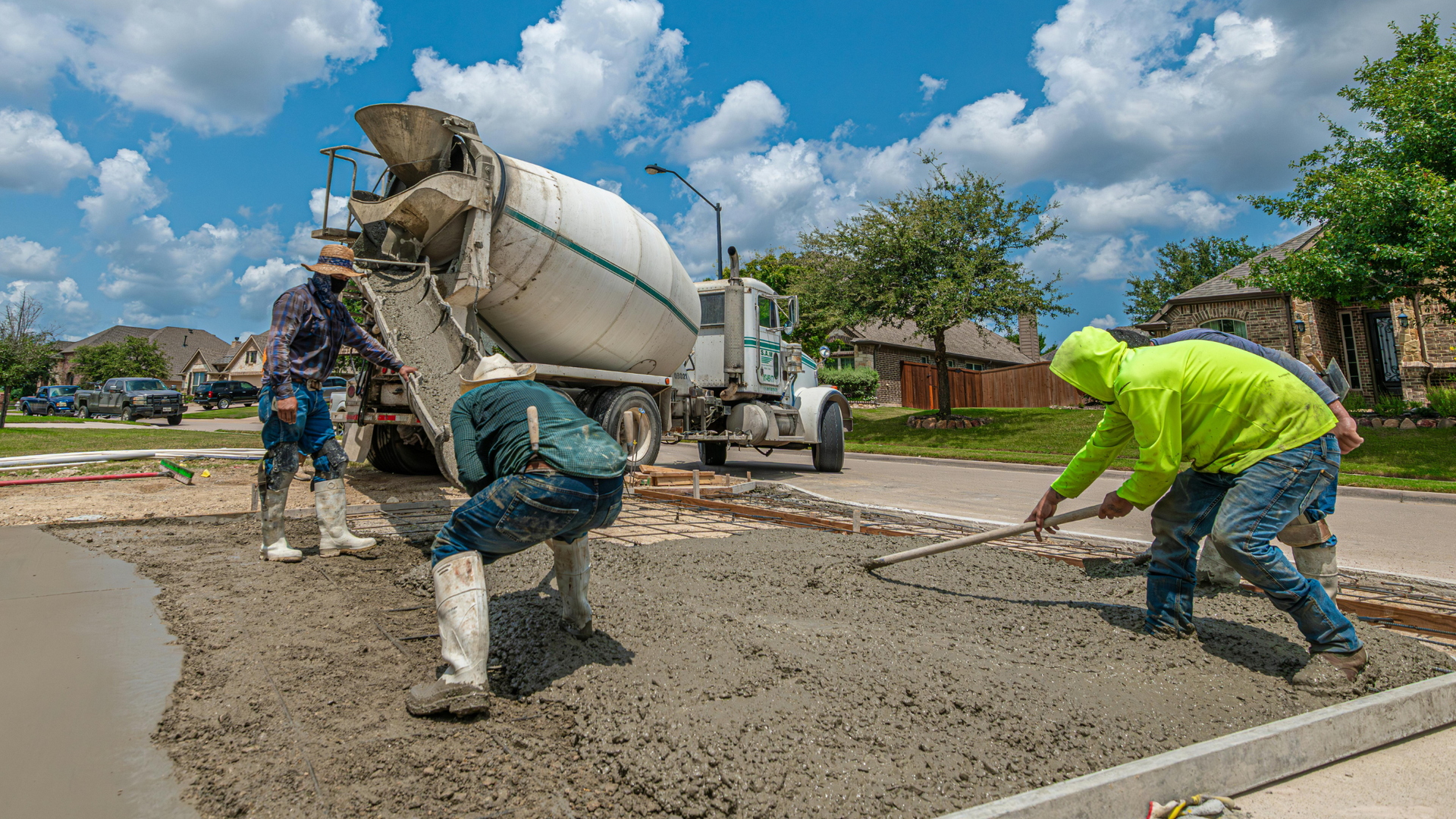
Concrete is placed, colored, and stamped within a specific time window. Crews must work efficiently to maintain consistency.
Detailing and Curing
Edges, joints, and transitions receive attention. The surface cures before sealing begins. This step protects appearance and durability.
Maintaining Stamped Concrete Surfaces
Maintenance keeps stamped concrete performing well.
Clean surfaces with mild soap and water. Avoid harsh chemicals. Reseal every two to three years.
Additionally, avoid metal tools during snow removal. Plastic tools protect surface texture.
Common Installation Mistakes to Avoid
Stamped concrete leaves little margin for error.
- Poor timing during stamping causes uneven texture
- Inadequate sealing leads to fading
- Weak base preparation causes cracking
- Improper drainage shortens lifespan
Furthermore, experienced contractors prevent these issues through planning and execution.
Why Professional Installation Matters
Stamped concrete requires technical skill. Temperature, timing, and finishing all matter. Professional crews manage these variables correctly.
As specialists in stamped concrete installation in St. Cloud, we apply the same standards to stamped concrete surfaces across all property types. That ensures consistency, performance, and appearance.
How Stamped Concrete Improves Property Appearance
Stamped concrete creates intentional, defined spaces. It improves first impressions and visual flow. That matters for both private and public-facing properties.
What’s more, stamped surfaces elevate a property without excessive ornamentation. The result remains durable and professional.
Frequently Asked Questions
Does stamped concrete support commercial use?
- Yes, with proper thickness and reinforcement.
Does stamped concrete fade?
- Sealing significantly slows fading.
Is stamped concrete slippery?
- Textured finishes improve traction.
How long before use?
- Wait seven days before traffic.
Why Choose Viper Concrete & Epoxy
We bring planning, precision, and experience to every project. Our team understands structure, design, and local conditions. Each surface reflects careful workmanship.
We apply consistent standards across stamped concrete installations for many property types in St. Cloud.
Your Next Step
Planning a stamped concrete project for your property? Contact Viper Concrete & Epoxy to discuss design options and project requirements.
We’ll evaluate your site and explain your options clearly. Let’s create a stamped concrete surface that delivers durability and visual value across your St. Cloud property.